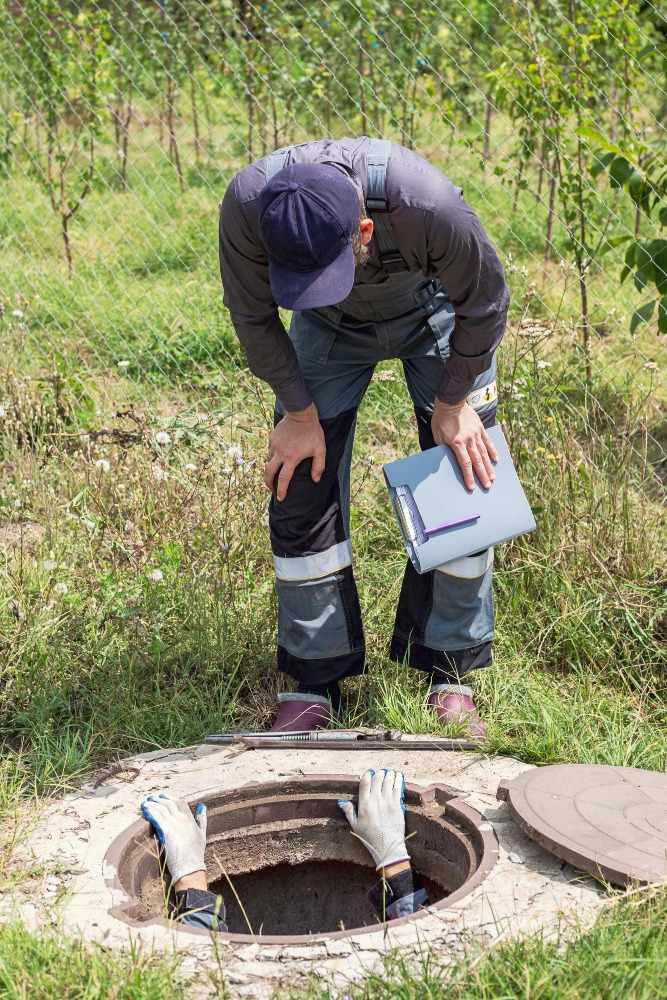
The septic system plays an important role in most homes, yet not many homeowners understand how it works. With every flush of the toilet and every dish being washed, every drop of the water goes through a series of processes designed to dispose of the water in a safe way and send it back into the environment. Learning how a septic tank works will allow you to prevent any issues and ensure that your system will last longer. If you are considering septic tank pumping Hillsborough NC, learning about the basics of your septic system is the right place to start.
Even though septic systems work silently underground, they need proper maintenance to run effectively. There are a lot of myths about septic tanks, such as the idea that it does not have to be pumped at all or that some additives will solve all problems. The following article provides information on how a septic tank works and its main components.
What Is a Septic Tank?
The septic tank is an underground tank that serves to collect and treat wastewater from residential areas without a connection to the sewerage system. The septic tank is an important component of the residential septic system as it aids in separating solids, oils, and wastewater and releasing partially treated wastewater into the drain field for natural filtration.
As opposed to a municipal sewer system that transports the wastewater to a central location where treatment takes place, the wastewater in your home septic system is treated at home. Therefore, proper septic system maintenance is very important.
How Does a Septic Tank Work?
A septic tank functions through the separation of wastewater into various layers followed by the digestion of organic waste through natural bacteria. The rest of the liquid then drains into the drain field for more natural treatment before being returned to the soil.
1. Wastewater Enters the Tank
Every time you use any bathroom fixtures such as sinks, toilets, showers, washing machine, or dishwasher, the wastewater enters the septic tank from the main sewage pipe.
2. Solids Settle at the Bottom
The heavy solids, such as food residues and waste products, settle on the bottom of the tank to form a layer known as the sludge layer. As time progresses, the layer becomes thicker; hence the need to pump the septic tank.
3. Oils and Grease Float to the Top
Oils and grease, being lighter than water, rise to the surface, thus forming a scum layer. Baffles in the septic tank ensure that both sludge and scum stay within the tank while only partially treated liquid moves on.
4. Bacteria Break Down Organic Waste
Organic waste is decomposed by natural bacteria in the tank. Although the bacteria play an important part in reducing solid waste, they cannot get rid of the solid waste completely. Therefore, regular maintenance and cleaning of septic tanks are important.
5. Treated Water Flows to the Drain Field
The partially treated liquid, called effluent, exits the tank through the outlet pipe into the drain field where the waste water slowly moves through the gravel and soil layers with natural micro-organisms removing harmful bacteria, viruses, and nutrients before reaching the ground water.
Main Components of a Septic System
A septic system comprises various interconnected components that contribute in making the treatment of wastewater easy and efficient. Knowing about the components of the system is very helpful for the identification of any issues related to it and the value of maintaining the septic system.
Septic Tank
The septic tank is the core component of the septic system. The wastewater from the house gets collected in the septic tank where solid material is separated from it.
Inlet and Outlet Pipes
Inlet pipes transport the wastewater from the house to the septic tank, and the outlet pipes carry partially treated wastewater to the drain field.
Baffles
The baffles serve the purpose of controlling the flow of the wastewater near the inlet and outlet pipes. The baffles help to stop the passage of sludge and scum out of the septic tank and into the drain field.
Distribution Box
The distribution box distributes the wastewater to all sections of the drain field equally. This is important because it makes sure that all parts of the drain field receive the same amount of wastewater.
Drain Field
The final stage of wastewater treatment takes place in the drain field. As the effluent passes through layers of soil, the naturally occurring microorganisms clean up the water.
Why Regular Septic Tank Maintenance Matters
Septic tank maintenance is perhaps the best way to safeguard your investment against any unexpected repair expenses. In fact, a septic tank that is properly maintained may last 20-40 years or even longer. On the contrary, septic tanks that are poorly maintained tend to have frequent backups, drain field failures, and costly repairs.
Regular maintenance helps:
Prevention of sewage backup into your house
Increase in the lifespan of the septic tank
Reducing foul smells on your property
Prevention of pollution of groundwater in your area
Increasing the effectiveness of wastewater treatment
Decreasing the need for costly septic tank repair
Scheduling regular septic inspection and septic pumping service ensures your system continues to operate safely and efficiently.
Common Signs Your Septic System Needs Attention
Early detection of these signs may aid you in solving the problem when it is still small enough before turning into something serious.
Signs and symptoms may be:
Slow draining sinks, showers and toilets
Gurgling in the pipes
Smell of sewage coming from inside or outside the house
Presence of water around the drain field
Green patches of grass
Recurrent clogs in the plumbing
In case you have detected any of these symptoms, your Septic system starts to fail and you should have an inspection as soon as possible.
When Should You Call a Professional?
There are certain circumstances where a homeowner may need professional assistance in the maintenance of his septic system despite following good practices.
Contact a septic professional if you notice:
Recurrent sewage backups
Odor problems
Presence of water near the drain field
Slow drains in the entire house
Gurgling plumbing appliances
Attempting DIY repairs can sometimes make the problem worse. A trained technician has the tools and knowledge to diagnose issues accurately and recommend the right solution.
Frequently Asked Questions
1. How long does a septic tank last?
If properly maintained, a septic tank can function between 20 to 40 years or more.
2. Can heavy rain affect my septic system?
Yes. Excessive rain can cause saturation of the drain field and prevent wastewater from filtering through the soil.
3. What should never go into a septic tank?
Wipes, sanitary towels, diapers, tampons, grease, coffee grounds, paints, chemicals, and household products should not be poured into the septic tank.
4. How do I know if my septic tank is full?
The indicators include slow drains, sewage smell, gurgling pipes, water around the tank, and sewage flowing back to the toilets or sink.
5. Can tree roots damage a septic system?
Yes, tree roots may affect the septic system by growing into the pipes and the septic tank leading to cracks, leakage, and clogging.
6. Is septic tank pumping really necessary?
Definitely, since pumping will ensure removal of any sludge and scum that the bacteria cannot digest.
Conclusion
A basic understanding of how a septic tank operates is very helpful when making wise decisions regarding the maintenance of your septic tank system. Whether it’s about separating wastewater or treating it in a natural way to protect the drain field of your property, each element of the septic tank is vital for its efficient operation. Inspection, septic tank pumping, and maintenance practices are all part of preventing unnecessary issues and prolonging the lifespan of your septic tank.
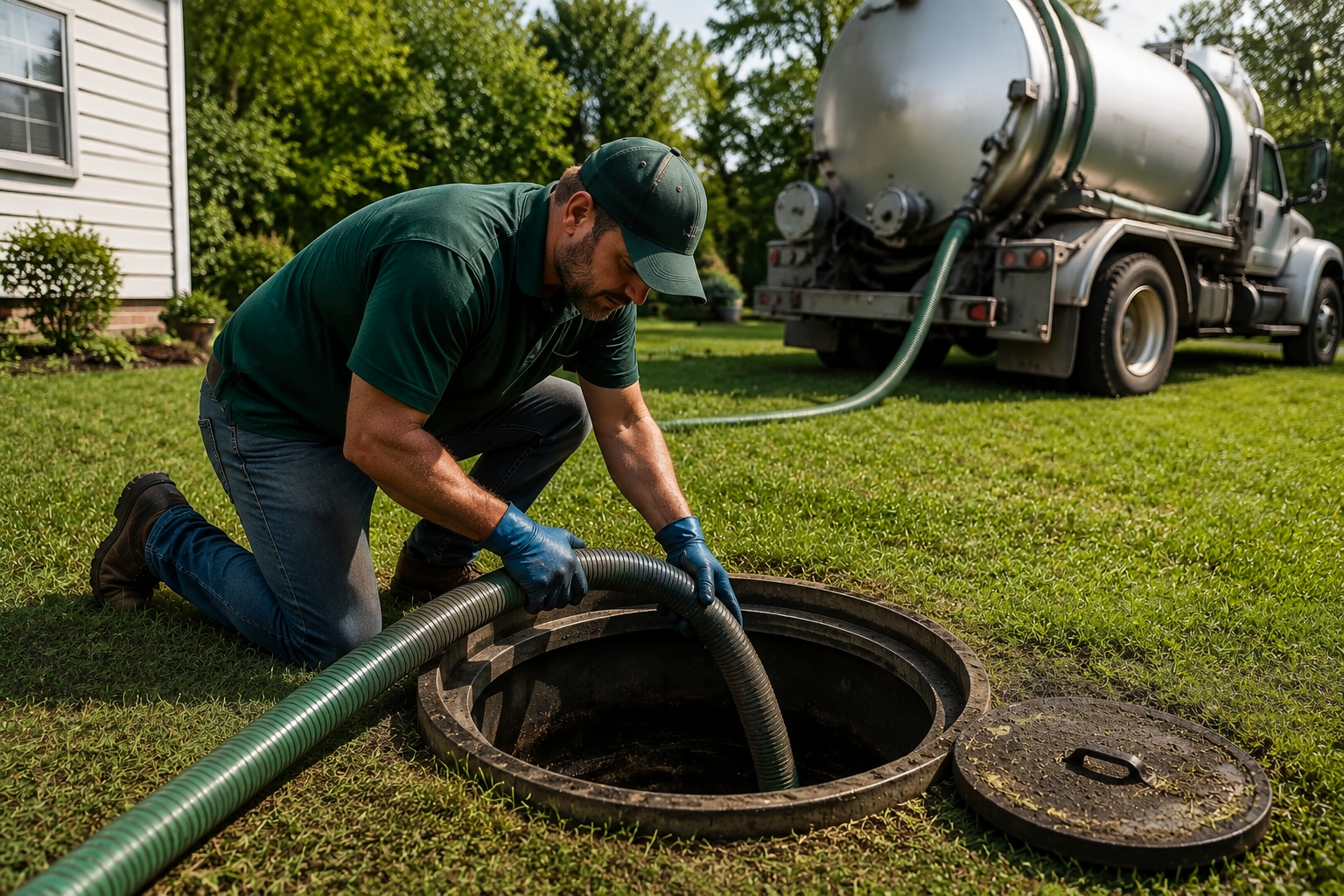
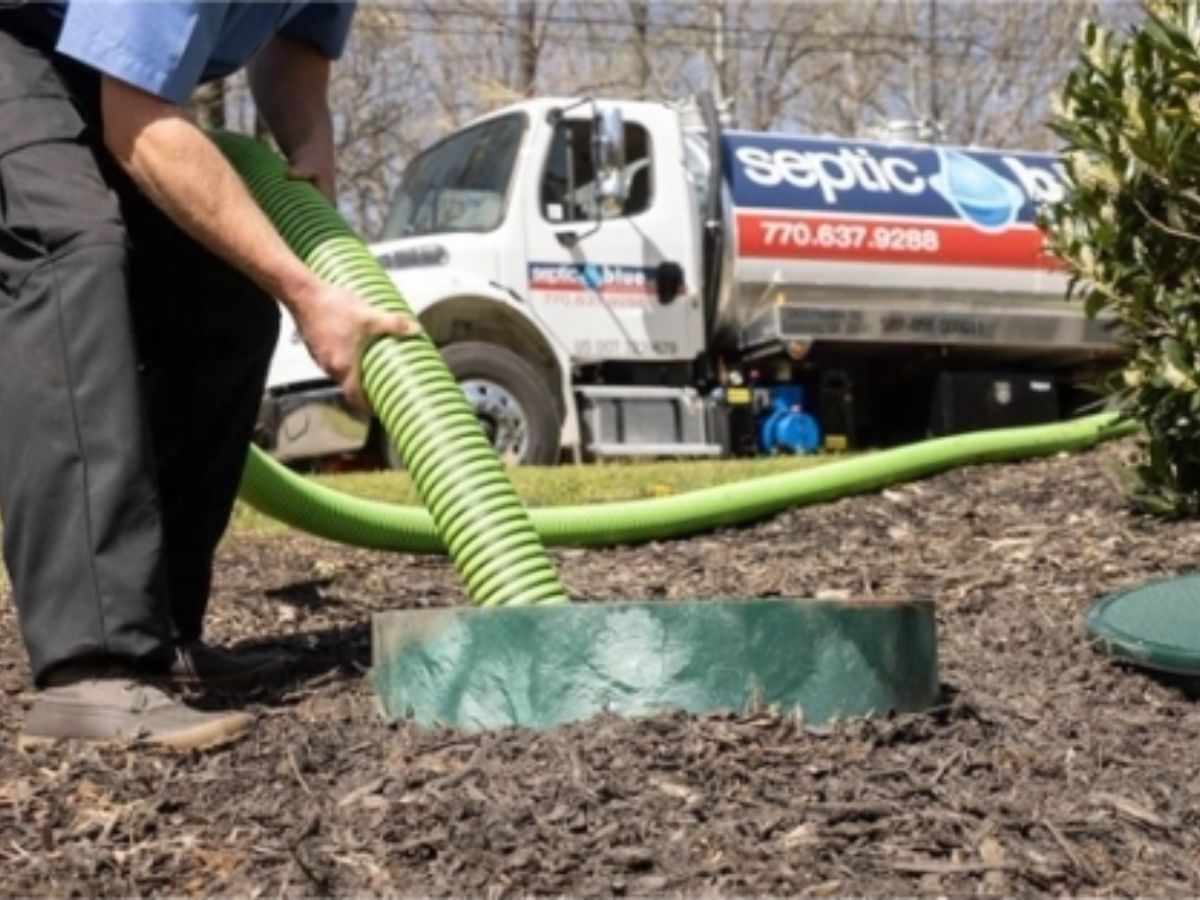
When you need septic tank pumping, inspection or any other form of maintenance service, look to Septic Blue of Raleigh for reliable septic services that will help you maintain your septic tank efficiently.

Write a comment ...